

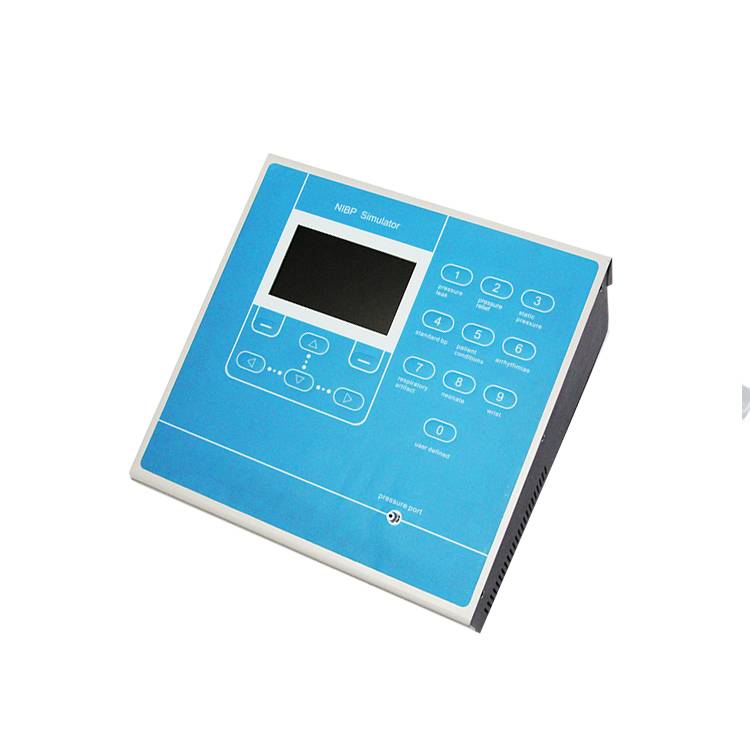
MS200 NIBP Simulator
- Multi-purpose test instrument for oscillometric Non-Invasive Blood Pressure (NIBP) Monitors
- Simple and convenient operation with a built-in pump
- Generates pressures up to 400 mmHg (53.3 kPa)
- Offers dynamic blood pressure simulations and static calibration
- Functions for pressure gauge testing, leak testing, and relief valve testing
- Simulates conditions for adult, neonate, and user-defined patients
- Includes arrhythmias and respiratory artifact simulations
- Features a built-in air chamber for both adult and neonate cuffs
- Equipped with a vibrant 4.3" LCD display with 65k colors
- Ideal for accurate analysis of various NIBP Monitors
- SKU
- C575E8ED7787
- Brand
- Contec
- Availability
- In stock
- ✓ Warranty included
- ✓ Worldwide shipping
MS200 NIBP Simulator
Professional multi-purpose test instrument for oscillometric Non-Invasive Blood Pressure (NIBP) monitors. Delivers reference-grade accuracy with dynamic waveform simulation, comprehensive testing functions, and portable operation for hospital biomedical engineering, field service, and clinical calibration laboratories.


Clinical overview
The MS200 NIBP Simulator is a professional-grade test instrument designed for comprehensive verification and calibration of oscillometric non-invasive blood pressure monitors. As healthcare facilities face increasing regulatory scrutiny and patient safety demands, accurate NIBP monitor performance verification has become essential. The MS200 addresses this critical need by providing reference-quality pressure generation with physiologically realistic oscillometric waveform simulation, enabling detection of measurement errors that basic pressure calibrators cannot identify.
Modern NIBP monitors employ sophisticated oscillometric algorithms that analyze pulse envelope characteristics to extract systolic, diastolic, and mean arterial pressures. Testing these monitors requires more than static pressure verification—it demands dynamic waveform simulation that exercises the complete measurement chain. The MS200 generates realistic oscillometric pulses with correct amplitude, frequency, and morphology, revealing algorithm failures and artifact rejection deficiencies that static testing misses. Combined with comprehensive testing functions including leak detection, safety valve verification, and arrhythmia simulation, the MS200 provides the diagnostic capability needed to ensure NIBP monitor reliability across diverse clinical populations and challenging measurement conditions.
Key features & surgeon benefits
Reference-Grade Pressure Generation
- ±1 mmHg accuracy traceable to NIST standards
- Exceeds regulatory requirements for medical device calibration
- Maintains calibration stability across 0–400 mmHg range
Realistic Oscillometric Pulses
- Dynamic waveform generation with physiologic accuracy
- Tests complete oscillometric analysis algorithms
- Identifies subtle measurement errors static testing misses
Adult & Neonate Modes
- Separate simulation modes for different patient populations
- Replicates distinct compliance and pulse characteristics
- Essential for pediatric and NICU monitor verification
Five Core Test Functions
- Dynamic blood pressure simulation with realistic waveforms
- Static pressure calibration at multiple points
- Quantitative leak detection and measurement
- Safety overpressure valve verification
- Pressure gauge accuracy testing
Arrhythmia & Artifact Simulation
- Multiple cardiac arrhythmia patterns (AFib, PVCs, bigeminy)
- Respiratory motion artifact simulation
- Tests artifact rejection algorithm effectiveness
Portable & Self-Contained
- Built-in pump eliminates external air source requirement
- 8-hour rechargeable battery enables field testing
- Rapid test execution accelerates preventive maintenance rounds
4.3" Color LCD Display
- 65,000-color high-resolution screen for excellent visibility
- Real-time waveform display during simulation
- Intuitive menu navigation reduces training requirements
Digital Record-Keeping
- Internal memory stores test results with timestamps
- USB data export for CMMS integration
- Audit trails support regulatory compliance documentation
Technical specifications
| Indications | NIBP monitor calibration, verification, and quality assurance testing; pressure gauge testing; leak detection; safety valve verification |
|---|---|
| Sizes / range | 0–400 mmHg (0–53.3 kPa); compatible with all standard arm and wrist cuffs |
| Material | Medical-grade polymers, precision pressure sensors, stainless steel connectors |
| Sterilisation | Non-sterile; external surfaces cleanable with standard hospital disinfectants |
| Packaging | Protective carrying case with foam insert; includes AC adapter, USB cable, tubing, and user manual |
| Warranty | 2 Year Manufacturer Warranty |
| Display | 4.3" high-resolution LCD with 65,000 colors |
| Pressure Accuracy | ±1 mmHg (NIST-traceable calibration) |
| Maximum Pressure | 400 mmHg (53.3 kPa) |
| Pump System | Built-in internal pump; no external air source required |
| Air Chamber | Internal chamber for adult and neonate cuff simulation |
| Patient Types | Adult and neonate modes with distinct compliance characteristics |
| Predefined Scenarios | 8 standard variation patterns covering normal to hypertensive ranges |
| Custom Simulations | User-defined blood pressure values and heart rate |
| Arrhythmia Patterns | Atrial fibrillation, premature ventricular contractions, bigeminy, and other irregular rhythms |
| Artifact Simulation | Respiratory motion artifacts and other measurement disturbances |
| Leak Detection Range | 0–10 mmHg/minute with quantitative measurement |
| Power Supply | AC adapter (100–110V/240V) and rechargeable lithium battery |
| Battery Life | 8+ hours continuous operation |
| Data Storage | Internal memory for test results; USB export capability |
| Connectivity | USB port for data export and software updates |
| Operating Temperature | 5°C to 40°C (41°F to 104°F) |
| Storage Temperature | −20°C to 55°C (−4°F to 131°F) |
Standard instrument composition
| Item | Description | Qty |
|---|---|---|
| MS200 Main Unit | Portable NIBP simulator with integrated pump, pressure sensor, and 4.3" LCD display | 1 |
| AC Power Adapter | Universal voltage input (100–110V/240V); outputs 12V DC for charging and operation | 1 |
| Rechargeable Battery | Lithium-ion battery; pre-installed in unit; 8+ hour operating life | 1 |
| USB Data Cable | Standard USB-A to device connector for data export and software updates | 1 |
| Pressure Connection Tubing | Medical-grade tubing with standard NIBP monitor connectors | 1 set |
| Carrying Case | Protective hard case with foam insert for transport and storage | 1 |
| User Manual | Comprehensive operating instructions, specifications, and troubleshooting guide | 1 |
| Calibration Certificate | NIST-traceable calibration documentation confirming ±1 mmHg accuracy | 1 |
Get in touch for pricing & availability
The MS200 NIBP Simulator is an essential investment for any healthcare facility committed to accurate blood pressure monitoring and patient safety. Contact our sales team for current pricing, volume discounts, and delivery timelines. We provide comprehensive support including installation assistance, staff training, and ongoing technical support.
Email: [email protected]
Hours: Monday–Friday, 8 AM–6 PM PST | 24/7 Emergency Support Available
Available on request
Configuration, paperwork & clinical fit
The full spec + documentation pack for this device ships ahead of purchase on request. A sales engineer responds within one business day.
Configuration sheet
Specifications, accessories & clinical fit
Sizes and dimensions, material and finish, compatible instruments and screw references, what ships in the set, lead time and warranty — all in one specification sheet, sent within one business day.
Documents & downloads
Regulatory paperwork & manuals
This device's IFU, CE Declaration of Conformity, ISO 13485 certificate and (where applicable) FDA 510(k) clearance ship with the order. Reach out below for the pack ahead of purchase.
Get in touch
Need configuration help, certificates, or volume pricing?
Our clinical sales team will scope quantities, voltage, accessories and regulatory paperwork — usually within one business day.
Customer reviews
No reviews yet — be the first to share your experience.
Related products
See all →
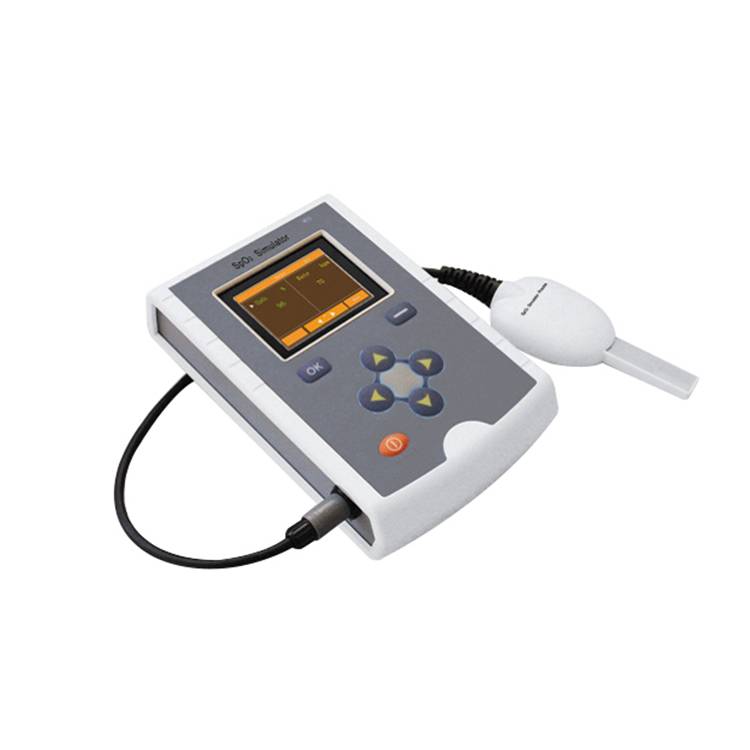
MS100 SpO2 Simulator
- Separated SpO2 simulator for convenient testing. - Lightweight and portable design. - Simulates various oximeter tests for accuracy verification. - 262K color display with 320*240 resolution. - Adjustable brightness for optimal visibility. - Comfortable film key-press operation. - Rechargeable lithium battery with charge status display. - Key volume control for user preference. - Embedded R-curves for enhanced compatibility. - Ideal for oximeter manufacturers and testing facilities.
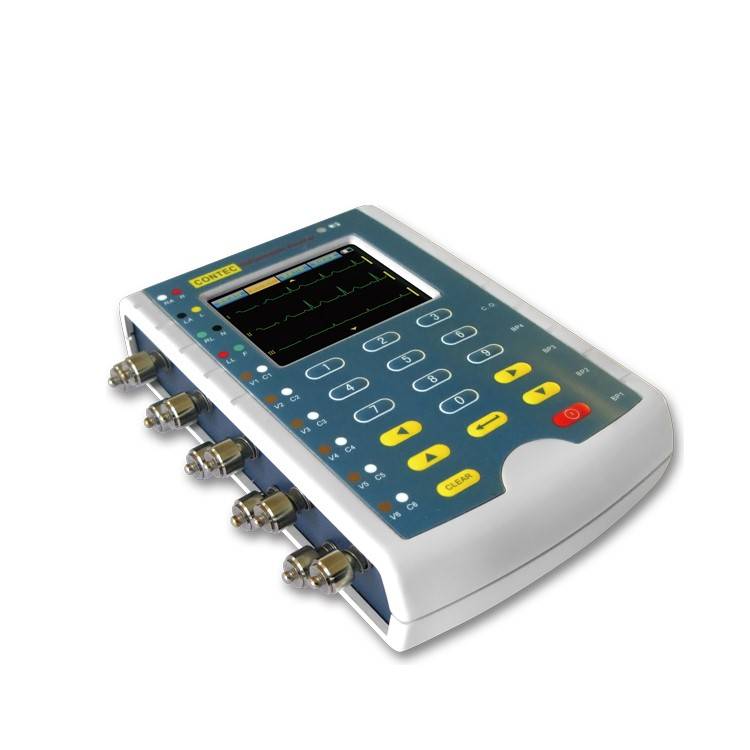
MS400 Multiparameter Simulator
- Portable and lightweight design for easy transport. - Simulates 12-lead ECG, respiration, temperature, and IBP data. - Supports simulation of 35 arrhythmias and various pacemaker waveforms. - Adjustable respiration rate and three types of apnea data. - Four-channel IBP and multiple temperature data simulation. - Features standard ECG calibration compliant with ANSI/AAMI and AHA standards. - User-friendly 3.5'' TFT touch screen for easy waveform navigation. - Power supply options include rechargeable lithium battery or linear adapter. - Supports user-defined waveform storage on TF card for testing purposes. - Versatile operation modes with both keys and touch screen functionality.
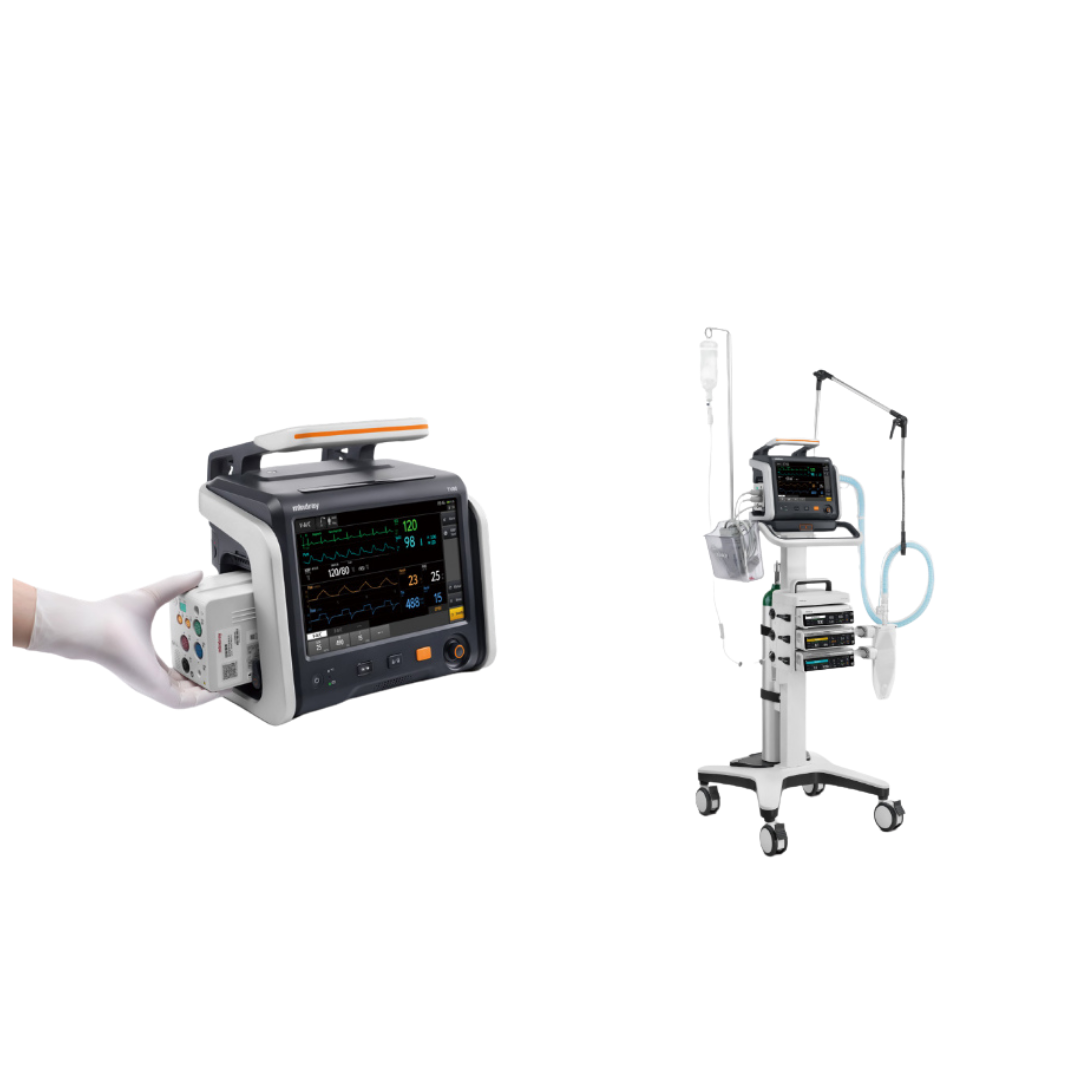
TV80 Portable Transport Ventilator with Advanced Patient Monitoring, Oxygen Management, and Telemedicine Capabilities
- Integrated transport ventilator, patient monitor, infusion pump, and oxygen cylinder for efficient patient transfers. - ICU-level ventilation support for both invasive and non-invasive therapies, adaptable for patients of all ages. - Continuous monitoring of vital signs with real-time data transmission to hospital systems. - Plug-and-play setup, eliminating the need for cable reconnections during transport. - Lightweight design at only 6.5kg, featuring a long-lasting battery with over 11 hours of operation. - Durable and waterproof, designed to withstand extreme environmental conditions.
TV50 Transport Ventilator - Portable Turbine-Driven Patient Ventilation Solution with Advanced Features
- Compact and Portable : The TV50 Transport Ventilator features a lightweight and compact design, making it ideal for mobile patient care. - High-Performance Turbine : Equipped with a built-in turbine providing peak flow ≥210L/min for effective non-invasive ventilation support. - Intuitive Interface : User-friendly 7-inch HD capacitive touch screen with an interface similar to bedside ventilators for ease of operation. - Versatile Ventilation Modes : Supports invasive, non-invasive, and O₂ therapy, including AMV and emergency ventilation modes for diverse clinical scenarios. - Real-Time Monitoring : Seamless integration for transmitting patient data to central monitoring systems, enabling remote patient management during transport. - Durable and Reliable : Designed for demanding environments with drop protection, dustproof, and waterproof features, ensuring consistent performance.
SV800/SV600 High-End Ventilator with Advanced User Interface and Intelligent Decision Support Tools for Clinical Efficiency and Lung Health Monitoring
- High-end ventilator with 1080P HD widescreen and intuitive customized user interface. - Features PulmoSight™ for real-time monitoring of resistance, compliance, and spontaneous breathing status. - User-configurable interface allows personalization of frequently-used functions for increased efficiency. - Dynamic graphic guidelines for easy pre-use checks and parameter settings to minimize errors. - Minimal maintenance required with organized components for easy accessibility. - Expandable capabilities with plug & play modules and integration with clinical information systems.
SV70/SV70S Non-Invasive Ventilator with EasySync™ Technology and Advanced Decision-Support Tools for Enhanced Patient Comfort and Clinical Efficiency
- Professional non-invasive ventilation with EasySync™ technology for optimal patient comfort. - Real-time PEEPi and esophageal pressure monitoring for accurate patient assessment. - 15.6-inch capacitive touch screen for intuitive and efficient operation. - Dedicated mask storage slot to prevent cross-infection. - Compatible with mainstream masks, featuring a patient leakage indicator for easy adjustments. - Connects to central monitoring systems via cable or Wi-Fi for enhanced clinical efficiency.
SV300 Pro Ventilator - Compact Intelligent Adaptive Respiratory Support Device for ICU and Patient Transport
- Compact and powerful design, weighing under 10kg for easy transport. - Features a frameless capacitive screen for precise touch and easy cleaning. - Detachable and autoclavable valves minimize cross-contamination risks. - Comprehensive ventilation modes and decision-support tools suitable for ICU environments. - Intelligent ventilation with Adaptive Minute Ventilation (AMV™) and IntelliCycle™ for enhanced patient-ventilator synchrony. - Includes CPRV™ mode for efficient CPR support and integrated CO₂/SpO₂ monitoring.